
Regulate. Educate. Advocate.
- About the Department
- Our Mission
- Meet Commissioner Vicki Schmidt
- Key Staff
- Contact Information
- Employment Opportunities
The Kansas Legislature established the Kansas Insurance Department in 1871. The first Superintendent of Insurance, later changed to Commissioner of Insurance in 1927, was William C. Webb. There have been twenty-six Commissioners to lead The Kansas Insurance Department, including current Commissioner Vicki Schmidt. The longest-serving Commissioner was Frank Sullivan, who served from 1947 to 1971.
In 2017, the Kansas Legislature enacted Senate Bill 23, which merged the Kansas Securities Commission with the Kansas Insurance Department. Prior to the 2017 Legislation, the Securities Commission was an executive branch agency that reported to the Governor. Established in 1911, Kansas became the first state to pass a law regulating the sale of investments.
According to J.N. Dolley, a driving force for the law’s passage, it was an effort to prevent the sale of securities by promoters who promised rain, but delivered only “blue sky.” In the next few years, other states passed similar laws and today, all states’ securities laws are referred to as “blue sky laws”. Following the great stock market crash of 1929, the federal government began to regulate investment activity with the passage of the Securities Act of 1933, and the creation of the U.S. Securities and Exchange Commission in 1934.
Insurance and securities have changed over the years but the responsibility of the Kansas Insurance Department to the people of Kansas remains unchanged.
Regulate:
Review companies that sell policies in Kansas to ensure solvency and compliance with insurance and securities laws and regulations.
Educate:
Consumers about all things insurance and securities by publishing brochures and rate guides to assist in the shopping process, giving presentations to groups across Kansas and serving as a non-biased source of information.
Advocate:
For a strong and competitive market to give Kansans choices when shopping for products that meet their needs.
Kansas Insurance Commissioner Vicki Schmidt, a lifelong Kansan, was born and raised in Wichita, Kansas. She and her high school sweetheart, Mike, both attended Wichita South High School. Their families lived two blocks from each other, and they shared similar upbringings focused on hard work, honesty, and faith. They headed off to the University of Kansas to continue their education together and then married in 1974. Commissioner Vicki Schmidt graduated from the University of Kansas School of Pharmacy and began work as a pharmacist.
Schmidt has served Kansas families and seniors as a local pharmacist for more than 40 years. It was her professional work experience and her commitment to helping Kansans that motivated her to run for the Legislature. As a pharmacist, Schmidt found errors in the Kansas Medical Assistance Program, errors that were costing the state millions of dollars. She became a voice for reform—speaking up and pushing for cost-effective practices in Medicaid’s drug rebate program, which ultimately resulted in more than $391 million in recouped dollars for the state and taxpayers.
In 2005, Schmidt brought her expertise to the Legislature, where she served for 14 years representing Shawnee and Wabaunsee counties. On November 6, 2018, she was elected Kansas Insurance Commissioner, and was reelected on November 8, 2022—during both elections she received the largest vote count statewide. She became the first pharmacist to serve as Kansas Insurance Commissioner and is the only pharmacist in America currently holding elected statewide office.
Currently, Commissioner Schmidt serves as the vice chair of the National Association of Insurance Commissioners (NAIC) Midwest Zone. She serves as a member of the Property And Casualty Insurance (C) Committee, Financial Condition (E) Committee, and International Insurance Relations (G) Committee of the NAIC. She also serves on the National Insurance Producer Registry (NIPR) Board of Directors and the Consumer Participation Board of Trustees.
Vicki and Mike reside in Topeka, where they raised their two sons. They are also proud grandparents of four grandchildren.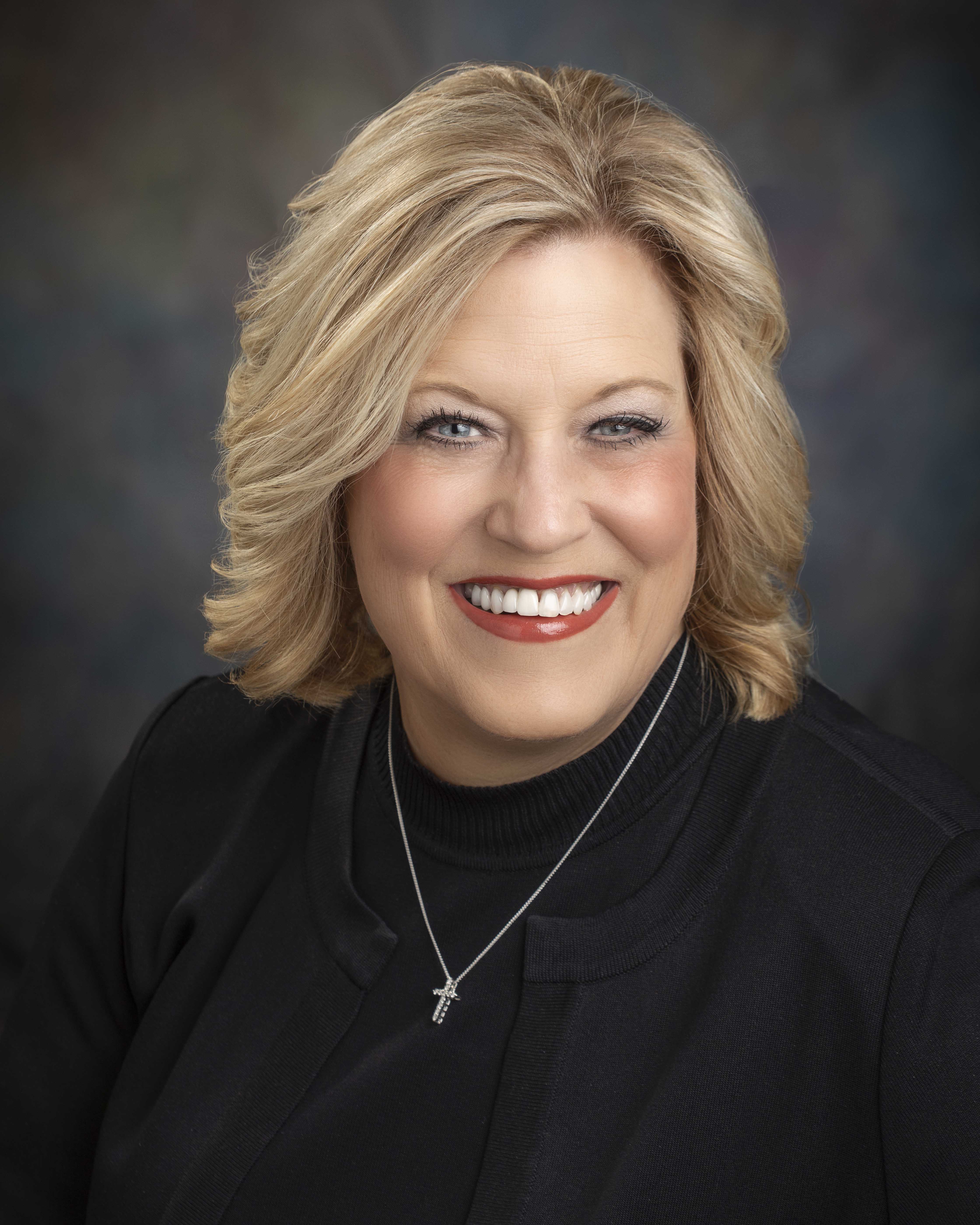
To contact the Kansas Insurance Department staff members, please email KDOI@ks.gov.
Vicki Schmidt – Insurance Commissioner
785-291-3299
Dan Klucas – Securities Commissioner
785-291-3299
Barbara Rankin – Assistant Commissioner
785-296-4568
Mandy Roe – Chief of Staff
785-296-7807
Bobbi Mariani – Director of Administrative Operations and Human Resources
785-296-7802
John Eichkorn – Director of Compliance, Enforcement and Anti-Fraud
785-296-5203
Justin McFarland – General Counsel
785-296-7847
Tish Becker – Director of Financial Surveillance
785-296-7816
Eric Turek – Director of Government and Public Affairs
785-296-2461
Julie Holmes – Director of Rate and Form Compliance
785-296-6410
Lauren Childers – Director of Consumer Assistance
785-291-3604
Linda Scott – Director of Information Technology
785-368-6527
Charlotte Daubert – Comptroller
785-291-3191
Monicka Richmeier – Director Licensing & Compliance
785-296-5185
Nicole Boyd – Chief of Actuarial Services
785-296-6253
John Hesse – Chief of Securities Compliance
785-296-3911
Karen Perez – Assistant to the Commissioner
785-291-3299
Main
Address : 1300 SW Arrowhead Road, Topeka, KS 66604 – 4073
Telephone : 785-296-3071
Fax : 785-296-5806
Email : KDOI@ks.gov
Securities Email : KDOI.Securities@ks.gov
Producer Licensing Division
Mail to: ATTN Producer Licensing Division
Telephone : 785-296-7862
Email : KDOI.Licensing@ks.gov
Consumer Assistance Division
File a consumer complaint or make a consumer inquiry
Consumer Assistance Hotline : 800-432-2484 (in Kansas only)
Telephone : 785-296-3071(out-of-state caller)
Fax : 785-296-5806 TTY/TTD: 877-235-3151
Email : KDOI.Complaints@ks.gov
Social Media
Current career opportunities at the Kansas Department of Insurance.